
Why Your Father's Cancer Progresses After Chemotherapy

Introduction
You watched him complete every infusion. The nausea, the fatigue, the numbers on the lab reports. You held your breath at the finish line, believing the worst was behind him.
Then the scan results come back, and the ground shifts. The tumor is larger.
New spots have appeared. Your father's cancer progressed despite the full chemotherapy cycles.
You are facing a brutal fact of cancer cell biology: a subset of drug-resistant clones survived the attack. The chemotherapy killed the sensitive cells. It did not kill the ones that were primed, from the very beginning, to resist it. This is not a personal failure, and it is not the same as end-of-life care. It is a clinical turning point that opens a new phase of decision-making.
This article walks you through why this happens, what those scan reports actually mean in the Indian healthcare context, and the concrete next steps that remain on the table.
Key Takeaways
Before you make another decision out of fear, anchor yourself in these four biological and clinical realities that explain the path forward.
Resistance is biology, not a personal failure: Pre-existing resistant clones survive chemotherapy because of mechanisms like drug-efflux pumps and enhanced DNA repair, not because he fought the wrong way.
Not all growth is true progression: Pseudoprogression, a temporary inflammatory reaction, can mimic tumor growth on a scan. Repeat imaging every 3 to 6 months distinguishes true advance from a phantom one.
Oncologists use a composite assessment: Clinical symptoms, biochemical markers like PSA, and radiological findings are assessed as a triad before declaring treatment failure.
The finish line moves; it does not vanish: Castration-resistant biology opens doors to novel hormone therapies, second-line taxanes, radium-223, and integrative palliative care that prioritizes quality of life.
Why Cancer Keeps Growing After Chemotherapy: The Hidden Resistance
Chemotherapy is a blunt instrument that mostly hits fast-dividing cells. It does not read a genetic blueprint. When it floods the body, it eliminates the majority of tumor cells that are vulnerable to its mechanism. You saw that initial drop in markers or tumor size and reasonably believed it was working. The crisis starts when a tiny, invisible population of cells simply pumps the drug out as fast as it enters.
These resistant clones survive via biological tricks that a 2024 *Molecular Cancer* review lays bare: they use ATP-binding cassette (ABC) transporters that expel toxic agents, they reprogram their metabolism to neutralize the drug, and they activate hyper-efficient DNA repair systems that stitch up the damage chemo is meant to inflict. This is intrinsic resistance, present long before the first infusion began. As the sensitive cells die off over the weeks of treatment, these resistant cells are left unopposed with space and nutrients.
They multiply freely. That is the progression you see on the scan. The tumor is revealing the heterogeneity it always had.
Reading the Scans Correctly: Progression vs. Pseudoprogression
You cannot treat a scan result without dissecting what the shadows actually mean. An oncologist looks for a distinction that a standard CT report often does not spell out plainly: true disease progression versus pseudoprogression. In pseudoprogression, the tumor bed swells with immune cells and inflammation as dying cancer debris triggers a local reaction. The scan lights up exactly like growth.
Distinguishing the two requires time and clinical context. A scan at six weeks can deceive; a repeat scan at twelve weeks often tells the real story. True progression keeps advancing.
Pseudoprogression stabilizes or shrinks as the inflammatory response subsides. This is the practical fork in the road. Calling pseudoprogression "progression" too early stops an immunotherapy that is actually working.
The patient loses a line of treatment that could have delivered durable benefit. Calling true progression "pseudoprogression" and waiting lets resistant disease run unchecked. Several criteria sets address this problem.
The two that matter clinically are iRECIST and irRC, both designed specifically for immunotherapy response assessment. They require confirmation scans and define progression differently than conventional RECIST 1.1. An oncologist who uses immunotherapy without knowing these tools is flying blind.
The takeaway: a single scan is a snapshot, not a sealed verdict. When a post-immunotherapy scan lights up, the next step is not an automatic switch in treatment. It is a scheduled confirmatory scan, a hard look at the patient's clinical condition, and the judgment to know which direction the data points.
The Biology Behind a Progressing Scan: Heterogeneity and The Castration-Resistant Switch
When the cancer is prostate cancer, the scan progression almost always traces back to a specific clock. Androgen suppression therapy works by starving the cancer of testosterone. Prostate cancer tumors, however, adapt genetically and epigenetically over an average of 18 to 36 months to activate the androgen receptor despite negligible hormone levels. This is the castration-resistant switch. It rewires how the disease responds to standard chemotherapy. The chemo that was selected under the assumption of hormone sensitivity is now fighting a biologically different adversary.
The scan lights up because multiple resistant clones have emerged through three mechanisms:
Cancer stem cells: These cells are quiescent and express protective drug-efflux pumps, repopulating the tumor after the active cycling cells are cleared.
Protective tumor microenvironment: Areas of low oxygen and immune-suppressive signals shield surviving colonies from the last cycles of the drug.
Multiple resistant clones: The overall effect is a distinct, aggressive biological phase that requires a distinct treatment plan.
The Indian Oncologist's Decision Compass: Composite Assessment for the Next Step
In a major Indian cancer center, the decision to switch therapies is never made on a single blood test or one scan report alone. The multidisciplinary team uses a composite assessment of three pillars:
Clinical progression: Evaluate whether your father's pain is escalating, he is losing weight, or his performance status is dropping.
Biochemical markers: Compare a rising PSA against the baseline values.
Radiological scan findings: Search for new lesions in visceral organs or bones.
The team integrates your family's context, because a treatment that requires frequent hospital visits must be logistically viable for a caregiver who is also working and managing a household. India's Central Drugs Standard Control Organization reinforces this caution, routinely requiring Indian-specific Phase IV safety data, as seen recently when evaluating lung cancer immunotherapy, before fully endorsing widespread adoption.
This deliberative process ensures that a scan finding alone does not trigger a panicked leap into an inappropriate next line.
Actionable Pathways After Chemotherapy Failure in India
The table below maps evidence-based agents available when the first chemotherapy line fails. Treatment choice depends on symptoms, disease burden, and local hospital access.
Feature | Novel Hormone Therapies | Second-Line Taxane Chemotherapy | Radium-223 | Sipuleucel-T (Immunotherapy) |
Primary Indication | mCRPC, including asymptomatic cases after ADT failure, as with Enzalutamide oral solution 160 mg/6 ml newly recommended in India | Symptomatic, rapidly progressing mCRPC with high visceral disease burden | Bone-dominant mCRPC with symptomatic metastases and no visceral crisis | Asymptomatic or minimally symptomatic mCRPC without visceral metastases |
Mechanism | Blocks androgen receptor signalling beyond castrate-level testosterone suppression | Disrupts microtubule dynamics in dividing cancer cells, targeting resistant clones | Calcium-mimetic that targets areas of increased bone turnover, delivering localized alpha radiation | Autologous cellular immunotherapy that primes the patient's own immune cells against prostatic acid phosphatase |
Key Limitation | Eventual resistance; not a curative modality | Significant neuropathy, myelosuppression, and fatigue require good performance status | Only targets bone; cannot address liver or lung metastases | Requires leukapheresis and specialized infusion center infrastructure, increasing logistical complexity |
Indian Access Context | Widely available in generic formulations within thorough oncology centres, driving costs down | Standard of care in NABH-accredited centres; pre-authorization often required for costlier branded generics | Approved and accessible in nuclear medicine departments of large tertiary hospitals and corporate chains | Limited access restricted to specialized centres with apheresis capability; cost and manufacturing time are barriers |
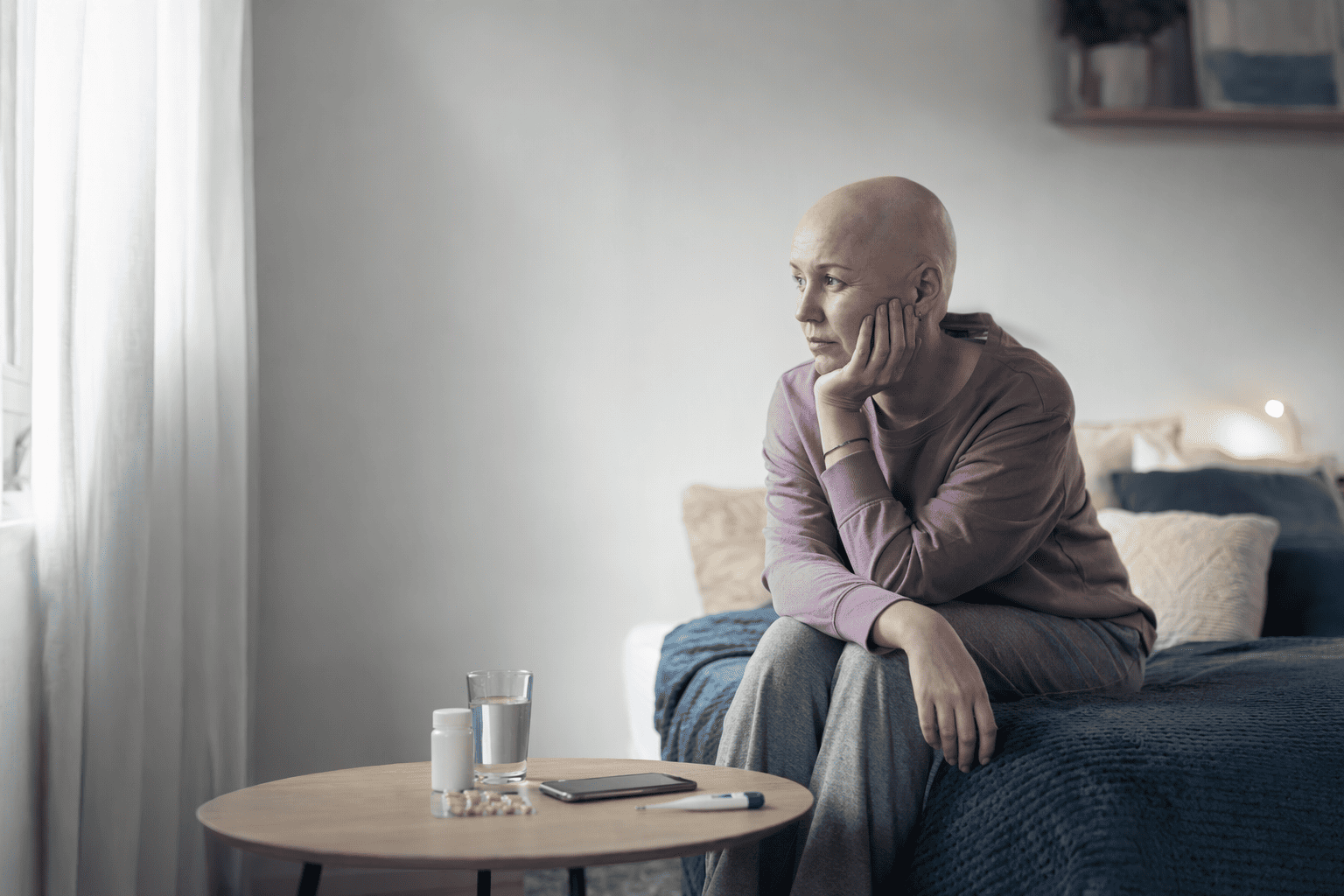
Navigating the Emotional Transition: From Cure to Care
The moment you hear that the cancer has progressed, the instinct is to double down, to seek a more aggressive chemo that will finally eradicate every last cell.
You are chasing a curative intent in a disease phase where the biology has already proven it can dodge the attack. At this juncture, a shift in the treatment goal becomes medically appropriate and psychologically necessary.
Palliative care is a specialized medical discipline that begins alongside active cancer treatment, even while you pursue the next drug on the table.
It addresses pain, nausea, fatigue, and the emotional weight of the diagnosis, and its involvement can continue regardless of the disease stage.
Integrative Support in India: Anchoring Quality of Life When the Cancer Advances
India's cancer infrastructure extends beyond infusion chairs and radiation suites. You can weave these services into the care plan to manage the physical and emotional weight of advancing disease.
Palliative care teams for symptom management: These multidisciplinary units manage pain, nausea, and breathlessness aggressively, keeping him out of the emergency room. Palliative care begins at diagnosis and runs alongside curative treatment.
Pain management clinics adhering to WHO guidelines: Specialized clinics apply the WHO analgesic ladder, from NSAIDs to strong opioids, to extinguish bone and visceral pain that erodes his will.
Integrative oncology centres for well-being: These centres layer evidence-based physical and mind-body interventions onto the medical regimen. As little as 30 minutes of music therapy may be enough to reduce pain and anxiety.
Acupoint therapy for chemo side effects: Evidence shows that acupoint therapy, specifically acupuncture or acupressure, can prevent and treat chemotherapy-induced nausea, vomiting, and pain.
Conclusion
Chemotherapy failed to eliminate the resistant clones, not your father's will to live. The scan that devastated you is a biological waypoint. He has a route forward: a composite oncologic reassessment to pinpoint the new biology, a targeted next-line therapy drawn from multiple available classes, and an integrative support system that protects his quality of life as the primary goal.
Walk into the next consultation armed with the specific question, "Is this castration-resistant biology, pseudoprogression, or true clinical progression, and which composite assessment finding is driving the switch?" That is the language of an advocate. Be that for him now.
Frequently Asked Questions
Why can cancer continue to grow even after completing full chemotherapy cycles as planned?
Because chemotherapy kills only the drug-sensitive cells. Tumor heterogeneity means a subset of resistant clones, carrying mutations for drug-efflux pumps, altered metabolism, and DNA repair, were present before treatment began. These resistant cells survive the chemotherapy and proliferate.
What are the biological reasons a tumor might appear active or progressing on a scan soon after chemotherapy finishes?
It could be true progression from resistant clones or pseudoprogression, a treatment-induced inflammatory reaction that mimics growth. Pseudoprogression can occur when the immune system attacks the tumor debris. Oncologists distinguish the two by repeating the scan in 3 to 6 months.
How do Indian oncologists determine the next step when a father's cancer progresses despite chemotherapy?
They use a composite assessment. The team evaluates clinical progression like escalating pain or weight loss, biochemical progression like rising PSA levels, and radiological progression like new lesions. This triad ensures the decision incorporates the patient's actual physical state, not just the imaging.
What options, beyond repeating the same chemotherapy, are available in India for treatment-resistant or progressing cancer?
Options include novel hormone therapies like enzalutamide and abiraterone, second-line taxane chemotherapy, radium-223 for bone-dominant disease, and sipuleucel-T immunotherapy. The choice depends on the patient's symptoms, performance status, and the specific burden of disease.
How should a family approach the conversation about shifting from curative-intent to disease-control or palliative goals in the Indian context?
Separate palliative care from end-of-life care. Frame it as an active, parallel layer of support that controls pain and fatigue while he continues disease-directed therapy. Early integration of palliative care can reduce hospitalizations and improve quality of life without canceling further cancer treatment.
What supportive and integrative care services in India can help manage symptoms and quality of life when the cancer keeps advancing?
Accessible services include dedicated pain management clinics using the WHO analgesic ladder, multidisciplinary palliative care teams for home-based symptom control, and integrative oncology centres offering acupuncture for nausea and neuropathy, along with nutritional and psycho-oncology support.
Sources
Drug resistance in cancer: molecular mechanisms and emerging treatment strategies - PMC - pmc.ncbi.nlm.nih.gov
Recommendations of the SEC (Oncology)made in its 06 /26 meeting held on 25.02.2026 at CDSCO HQ New Delhi: File Name - cdsco.gov.in
What is palliative care? - www.health.gov.au
Integrative Oncology - Overview - Mayo Clinic - www.mayoclinic.org


Comments