
Why Your Chemotherapy Is Causing Severe Nausea and Fatigue but Not Shrinking the Tumor: Finding Solutions in Faridabad

Introduction
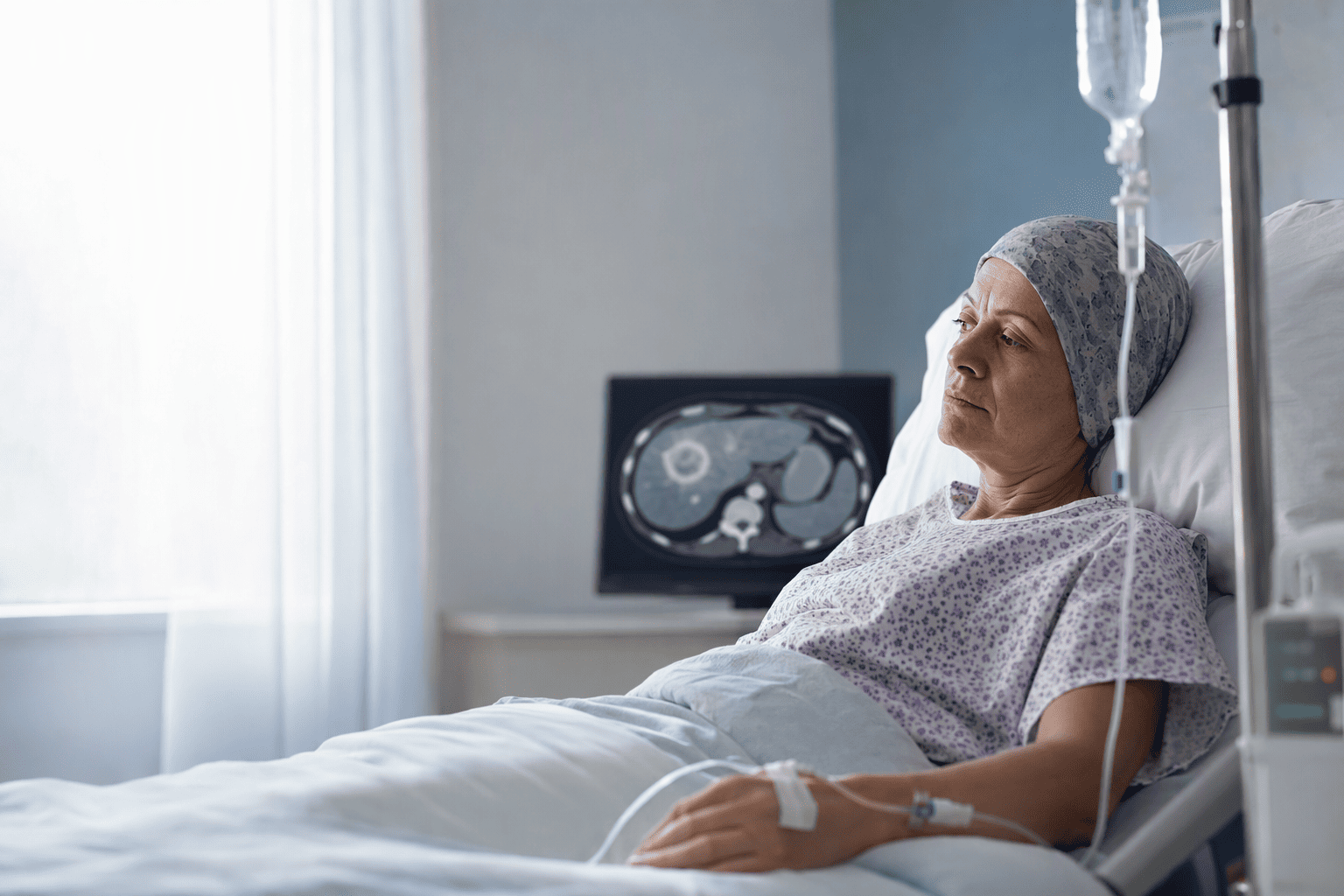
You are enduring the debilitating cycle of chemotherapy. The severe nausea leaves you unable to eat, the crushing fatigue makes even moving across a room feel impossible. You have sacrificed your present quality of life based on a promise: the tumor will shrink.
Then, the scan results come back. No change. The disease is stable, or worse, it has progressed.
This is a physical crisis and an emotional betrayal. You held up your end of an agonizing bargain, but the cancer did not respond.
This disconnect is a documented medical phenomenon called chemotherapy resistance. You are not alone, and this situation, while terrifying, does not mean you are out of options. It means the initial strategy was wrong for your specific cancer biology. This article lays out exactly why this happens, why your suffering does not correlate with tumor killing, and the concrete, science-backed steps to pivot to a treatment that actually works.
Key Takeaways
The core reason side effects are brutal while the tumor remains unresponsive rests on a central concept: chemotherapy's toxicity to your healthy cells does not guarantee its toxicity to your cancer cells. Here are the critical points you need to carry forward.
Chemotherapy resistance is the likely cause: Cancer cells can actively pump drugs out, repair the damage chemotherapy inflicts, or simply ignore the drug's signals, making the treatment ineffective.
Side effects are not a sign of efficacy: The nausea and fatigue you feel are the result of chemotherapy damaging rapidly dividing healthy cells (in your gut and bone marrow), a process pharmacologically distinct from whether the drug can penetrate and kill the tumor.
Clinical suspicion should be raised after 2 to 3 cycles: Oncologists use strict criteria like RECIST to measure response. If no significant change is noted clinically or radiologically after the first few cycles, re-evaluation is mandatory.
Genomic testing unlocks the next move: Next-generation sequencing can find specific mutations driving your resistance, and chemotherapy sensitivity testing can identify which drugs will be effective against your exact cancer cells.
Effective alternatives exist in Delhi NCR: When standard chemotherapy fails, targeted therapy, immunotherapy, and precision medicine, available from specialists like Dr. Abhishek Yadav at Yashoda Medicity or Dr. Bharat Patodiya at Pi Cancer Care, can control the cancer, often with a different and potentially more manageable side-effect profile.
What Chemotherapy Resistance Is and Why It Happens
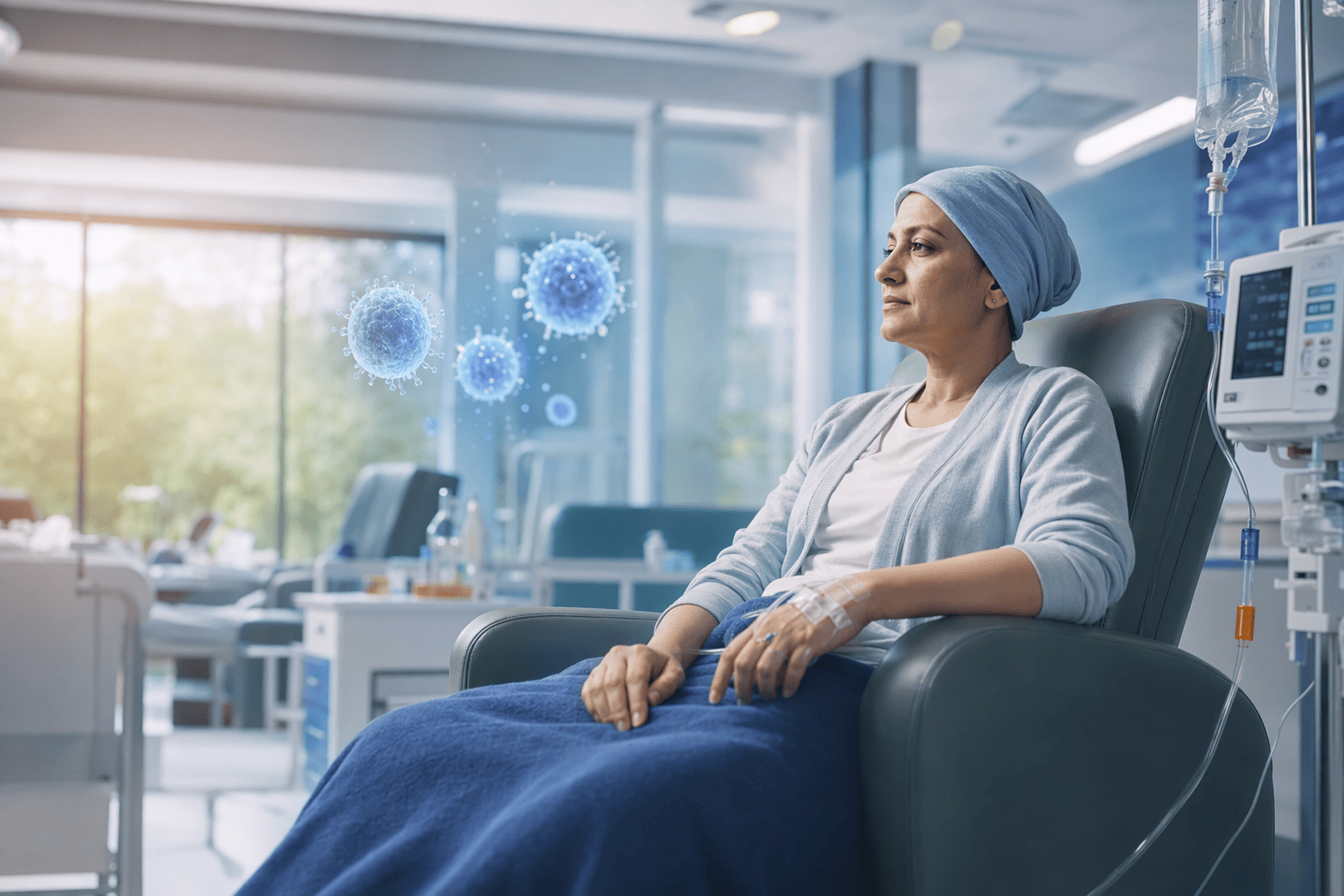
Chemotherapy resistance is a cancer cell's acquired or innate ability to survive and multiply despite being directly exposed to cytotoxic drugs. Think of it not as the cancer becoming 'stronger,' but as a population of billions of cells adapting under a deadly pressure, where a small number of mutant cells survive and multiply, eventually dominating the tumor mass. Refractory disease is recognized clinically when it progresses during the first treatment course.
This resistance stems from several sophisticated biological mechanisms. Some cancer cells develop an internal plumbing system, using a protein called P-glycoprotein as a pump to actively eject chemotherapy drugs like doxorubicin or taxanes before they can reach a lethal concentration. This is the classic definition of multi-drug resistance. Other cells simply upgrade their DNA repair systems, instantly fixing the lethal breaks that chemotherapy, like cisplatin, is designed to cause, making the damage futile. Another population achieves resistance by altering the drug's target molecule, so the drug no longer binds or works properly.
Resistance can be intrinsic (present before you ever received your first infusion) or acquired, where tumors that were initially sensitive develop tolerance during treatment. The immune system's role is also critical. Tumors can manipulate immune checkpoints, and when a drug fails to induce a strong anti-tumor immune response, cellular resistance persists.
A pivotal 2021 review in a PubMed Central database clarifies the clinical action point: oncologists should become suspicious of resistance when there is no significant clinical or pathological change according to established RECIST or WHO criteria after 2 to 3 cycles of chemotherapy treatments. This is not an abstract concept; it's a definitive moment for you to act on data from a study involving 145 breast cancer patients where the cumulative chemotherapy complete response rate was only 2%, with a partial response rate of 78%, a stable disease rate of 15%, and a progressive disease rate of 5%, illustrating that a spectrum of non-response is a clinical reality.
Why Side Effects Don’t Guarantee Tumour Response
The brutal nausea, vomiting, and marrow-crushing fatigue you are experiencing are generated by an entirely different pharmacological process than the one required to kill your cancer. Standard chemotherapy is cytotoxic. It works as a blunt, powerful instrument that attacks any cell undergoing rapid division. This is why your side-effect profile includes damage to your hair follicles, the lining of your gastrointestinal tract, and your bone marrow’s blood cell factories, because these are the healthiest, fastest-growing cells in your body. Normal tissue toxicity is a separate biological event from tumor shrinkage.
The tumor cell sits inside a self-made neighborhood called the tumor microenvironment, which has high pressure, poor blood supply, and low oxygen levels. The same dose of chemotherapy that floods your healthy gut lining and causes severe nausea may never penetrate this hostile environment in sufficient quantities to be lethal. The drug meets a physical barrier before it ever meets a resistant cell. Assuming the treatment is 'working' because you feel like you are dying is a devastating logical fallacy.
New drugs that prevent nausea and fatigue allow patients to feel better and continue their normal activities during treatment, which demonstrates an intentional decoupling of symptom management from cytotoxic action. To assess true efficacy, your oncologist relies on a rigid, objective framework: the RECIST criteria using cross-sectional imaging (CT or PET-CT) to measure physical tumor dimensions. If that measurement line is not moving down, the drug is not working as intended, regardless of how much the drug is depleting your white blood cells or triggering vomiting. A thorough PubMed Central analysis emphasizes that there are no reliable parameters or biomarkers to predict chemotherapy responses solely by watching how sick a patient becomes; the scan is the only objective truth.
How Genomic Profiling and Chemotherapy Sensitivity Testing Clarify Non-Response
When standard chemotherapy fails, the correct next step is a precise diagnosis of the tumor's unique biology. Genomic profiling uses next-generation sequencing (NGS) to read the DNA of the tumor cells, identifying the specific mutations that caused the resistance.
This biopsy-driven test, often done on stored tissue or a new liquid biopsy, can reveal an actionable target missed on routine immunohistochemistry. The companion tool is chemotherapy sensitivity testing: an ex-vivo assay where living cancer cells from your body are exposed to a panel of chemotherapy drugs in a lab dish to see which ones actually kill them. This moves you from a one-size-fits-all recipe to a test that directly answers the question, 'Which poison will work on my cancer?' A specialist oncologist can integrate such testing into a personalized protocol and design a second-line regimen backed by data.
The output of sensitivity testing is not a guarantee of cure, but it provides a vital directional force, preventing months of ineffective treatment and unnecessary toxicity. A 2021 review clarifies that this approach tries to solve the central problem of chemoresistance, which can be intrinsic before chemotherapy or acquired during treatment. Drug resistance mechanisms like enhanced DNA repair and drug efflux are surmountable only with this level of specific intelligence. By precisely mapping the cellular escape routes, an oncologist can rationally craft a regimen that shuts them down.
Alternative Treatment Options When Standard Chemo Fails
Moving past standard chemotherapy does not mean stepping into a void. It means stepping into precision medicine. The table below breaks down the primary rational therapeutic categories available when the blunt force of traditional cytotoxic chemotherapy has been exhausted. These approaches shift the target from 'any fast-growing cell' to a specific molecular or immunological weakness in your specific tumor.
Category | Mechanism | Example Agents |
Targeted Therapy | Blocks specific genetic mutations driving tumor growth | Osimertinib, Imatinib, Trastuzumab |
Antibody-Drug Conjugates (ADCs) | Delivers chemotherapy directly into cancer cells via a monoclonal antibody linker | Trastuzumab deruxtecan (Enhertu), Brentuximab vedotin |
Immunotherapy | Releases the brakes on your own immune system to attack cancer cells | Pembrolizumab, Nivolumab, Ipilimumab |
Bispecific Antibodies | Bridges tumor cells and killer T-cells to force an interaction | Blinatumomab, Mosunetuzumab |
Cellular Therapy (CAR-T) | Genetically reprograms your own T-cells to recognize and kill cancer | Tisagenlecleucel, Axicabtagene ciloleucel |
Radioembolization / SIRT | Injecting radioactive microspheres directly into the artery supplying the liver tumor | Yttrium-90 (Y-90) spheres |
Clinical Trials | Access to next-generation molecules before regulatory approval | Various novel agents |
One of the most decisive steps here is getting a proper second opinion from a team that practices precision oncology, not just general hematology. Tumor boards at referral centers coordinate pathology, radiology, and medical oncology input before you commit to a line of therapy, reducing the risk of wasting time on a regimen your biology already resists.
If you have adequate performance status and organ function, oncologists often push directly for a biopsy-driven strategy. A fresh tissue sample is taken and sent for next-generation sequencing (NGS). The genomic panel report tells your oncologist whether you have an actionable mutation, such as NTRK fusions or microsatellite instability (MSI-H), that qualifies you for a targeted agent with documented durable responses even in heavily pretreated settings.
Where genomics offers an actionable target, targeted therapy can deliver results that traditional chemo cannot. Yashoda Hospitals describes targeted therapy as "a type of cancer treatment that targets specific proteins or genes that help cancer cells grow and divide." Because these drugs ignore healthy cells that lack the target, the side-effect profile is typically narrower than cytotoxic chemo's full-body assault.
When tumor mutational burden (TMB) is high or PDL-1 expression is positive, checkpoint inhibitors like pembrolizumab or nivolumab release the natural brake on your T-cells, allowing an immune-mediated attack. These drugs do not shrink tumors overnight; they sometimes cause a temporary radiographic pseudoprogression before the immune infiltrate clears the mass. For some patients, these responses translate into years of disease control, exceeding the life expectancy under standard third-line chemo. The National Cancer Institute notes that "immunotherapy is a type of cancer treatment that helps your immune system fight cancer."
In hematologic malignancies like relapsed acute lymphoblastic leukemia, blinatumomab, a bispecific T-cell engager, physically tethers your polyclonal T-cells to CD19-positive blast cells, forcing immunologic synapse formation. This bypasses the need to generate a pre- existing tumor-specific T-cell receptor; it simply grapples the effector and the target together until the T-cell releases perforin and granzyme.
CAR-T cell therapy goes further. Your apheresed T-cells are transduced with a chimeric antigen receptor construct in a GMP-grade lab, expanded, and reinfused. The drug product "axicabtagene ciloleucel" for example, recognizes CD19 the moment it contacts the lymphoma cell, triggering massive cytokine release and tumor lysis. This class of living drug carries unique toxicities including cytokine release syndrome and immune effector cell-associated neurotoxicity syndrome (ICANS) that require management at a center equipped with tocilizumab and intensive-care capability. The probability of a durable complete response in DLBCL after two prior lines of chemo is higher with CAR-T than with any further cytotoxic combination.
For liver-dominant metastases, particularly in colorectal cancer, selective internal radiation therapy (SIRT) with Y-90 microspheres delivers a high radiation dose to hypervascular tumors via the hepatic artery while sparing the relatively less-perfused normal liver parenchyma. This buys hepatic control and can convert an unresectable patient to a surgical candidate.
Every option above gains power from one common element: a biopsy-backed assay. A next-generation sequencing report or an immunohistochemistry profile takes your case out of the empiric basket and answers a concrete question about which agent matches your cancer's biology.
Getting a Second Opinion in Faridabad: What to Expect
A true second opinion for resistant cancer is not a brief consult; it is a thorough re-investigation of the molecular status of your disease, leading to a new strategic plan. To make this visit life-changing rather than just another appointment, follow this sequence.
Compile a complete dossier before the visit: Gather absolute copies of every pathology report, the original tissue block or fresh slides, pre-treatment and post-treatment CT/PET-CT image files, and an hour-by-hour log of your chemotherapy cycles with notable side-effect peaks. A disorganized folder leads to lost time and repeated tests.
Expect a deep dive, not just a physical exam: A specialist evaluating a non-responder will re-examine the pathology slides personally for missed markers like MSI status or HER2-low. They will assess radiological objective disease trajectory precisely against RECIST. For instance, a center such as Pi Cancer Care offers same-week initial consultations and coordinates diagnostic referrals with transparent pricing, and Dr. Bharat Patodiya actively coordinates second-opinion services, including PET-CT support aimed at reducing the financial barrier to precision imaging.
Integrate precision diagnostics into the new plan: The oncologist may order new immunohistochemistry or a fresh biopsy specifically for NGS. Dr. Abhishek Yadav, an eminent medical oncologist with 11 years of experience as the primary consultant for solid and hematological cancers at Yashoda Medicity, is an expert in precision-based cancer targeted therapy and complex chemotherapy. You would discuss sensitivity testing, not as a theoretical tool, but as an immediate clinical directive.
Confirm the non-chemotherapy therapeutic transition: The objective is to walk out with a new, targeted protocol. This could involve drugs supported by evidence such as those that function like immune checkpoint inhibitors to 'unmask' the cancer, a strategy which has yielded spectacular outcomes in melanoma and lung cancer, or a matched oral targeted inhibitor. Building this multidisciplinary plan is the entire goal.
Alternative Treatment Options When Standard Chemo Fails (Table)
Standard chemotherapy stops working for a specific reason, and that reason usually dictates the next step. In a few cancers, the biology is clear enough that doctors can pair the failure pattern to a specific drug class.
Feature | Traditional Chemotherapy (Cytotoxic) | Targeted Therapy (Cytostatic) | Immunotherapy (Checkpoint Inhibitors) | Antibody-Drug Conjugates (ADCs) |
Mechanism | Kills all rapidly dividing cells, both healthy and cancerous, throughout the body. | Blocks specific growth proteins or genetic mutations driving the cancer. Aims to prevent cancer cells from growing and spreading rather than directly killing them. | Unmasks cancer cells, allowing the body's own immune system to identify and eliminate them. | Combines a highly toxic chemotherapy 'warhead' linked to a monoclonal antibody that seeks out and attaches to a specific surface receptor on cancer cells; delivers poison directly to the target. |
Selectivity | Low. Attacks healthy tissues like gut lining, hair follicles, and bone marrow. | High. Designed to attack cells expressing that specific target only, as it blocks specific growth proteins. | High. It functions by priming the patient's own T-cells to recognize and attack cancer neoantigens. | Very High. The antibody delivers the cytotoxic load only to cells expressing the target antigen. |
Side-Effect Profile | Causes predictable toxicity from impacting healthy fast-growing cells: severe nausea, fatigue, hair loss, and low blood counts. | A different profile, often less severe cytopenias and nausea, though organ-specific inflammation (rash, diarrhea) or hypertension can occur. | Autoimmune-type side effects stemming from an activated immune system attacking healthy organs (colitis, pneumonitis, thyroiditis). | Can cause chemotherapy-type side effects (nausea, low counts) alongside ADC-specific toxicities like neuropathy or interstitial lung disease, depending on the linker and payload. |
Optimal Use Case | Cancers where tumor biology is unknown, or the cancer is highly proliferative without identified drivers. | Cancers with known oncogenic driver mutations (e.g., EGFR, ALK, HER2). A definitive targeted drug prevents a specific signal. | Cancers with a high tumor mutational burden where tumor-infiltrating lymphocytes (TILs) are present, as these patients often do better. | A bridge between targeted therapy and chemo for relapsed cancers like metastatic breast cancer or lymphoma. |
Conclusion
Severe nausea and fatigue are brutal evidence of a drug's power, but they are not a receipt for cancer cell death. Right now, your aggressive illness from the treatment is being added to your illness from the disease, and you are getting no further ahead. This is the time to stop and pivot.
A second opinion grounded in genomic profiling and sensitivity testing is the method to replace a failing protocol with a precise one. Medical oncologists in Faridabad who specialize in this molecular bridge, such as Dr.
Frequently Asked Questions
Why is my chemotherapy causing severe nausea and fatigue but not shrinking my tumor?
Nausea and fatigue come from chemotherapy damaging your healthy fast-growing cells (gut lining, bone marrow). They are a sign of drug toxicity, not anti-cancer efficacy. A resistant tumor has biological mechanisms to actively pump the drug out or repair the damage, so the drug is poisoning you without penetrating or killing the cancer cells inside the tumor microenvironment.
What is chemotherapy resistance and why does it happen?
Chemotherapy resistance is the ability of cancer cells to survive and multiply despite toxic drug exposure. It happens because cancer cells can pump drugs out via P-glycoprotein, rapidly repair drug-induced DNA damage, alter the drug's molecular target, or hide from the immune system. It can be present before treatment (intrinsic) or develop during it (acquired).
How can chemotherapy sensitivity testing help when tumors don't respond?
Sensitivity testing takes a sample of your living cancer cells and exposes them to various drugs in a lab to see which ones cause cell death. This ex-vivo assay gives your oncologist direct evidence of which chemotherapy agents (or combinations) will be toxic to your resistant cancer, bypassing trial and error and guiding a personalized second-line regimen.
What are my alternative treatment options if chemo isn't working?
When standard cytotoxic chemotherapy fails, you can move to targeted therapy (which blocks specific growth mutations), immunotherapy (checkpoint inhibitors that unleash your immune cells to attack the cancer), or antibody-drug conjugates (smart-bomb drugs delivering chemotherapy directly to the cancer cell). These precision treatments often follow genomic profiling results.
Which oncologist in Faridabad can provide a second opinion for resistant cancer?
Dr. Abhishek Yadav at Yashoda Medicity has 11 years of experience focused on precision-based targeted therapy and complex solid tumors. Additionally, for a systematic re-review of every piece of pathology, Dr. Bharat Patodiya at Pi Cancer Care coordinates thorough second-opinion services that begin with an immediate same-week consultant review and access to precision diagnostics.
How can I get thorough cancer care or a second opinion in the Delhi NCR area?
To access a thorough cancer second opinion in Delhi NCR, contact specialist centers such as Yashoda Medicity or Max Healthcare. The foundational step is bringing your imaging files and pathology slides. A center like Pi Cancer Care coordinates personalized protocols, starting with a precision assessment that combines next-generation genomic sequencing with targeted immunotherapy or targeted therapy planning.
Sources
About Us | Pi Cancer Care - www.picancercare.com
How Advanced Medical Oncology, Chemotherapy and Immunotherapy Are Transforming Cancer Treatment? - www.yashodahospital.org
Immunotherapy for Cancer - NCI - National Cancer Institute - www.cancer.gov
Breast cancer resistance to chemotherapy: When should we suspect it and how can we prevent it? - pmc.ncbi.nlm.nih.gov

Comments